
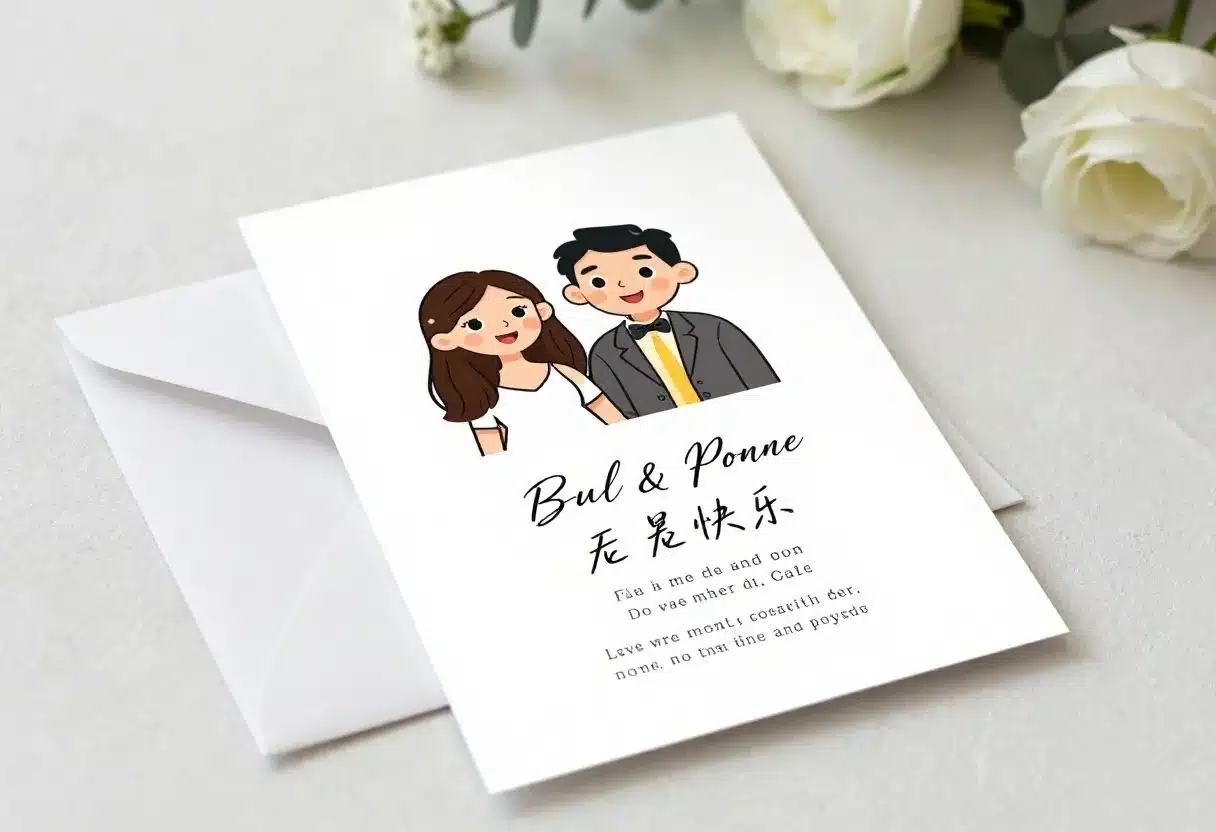
A plus-one simply means a guest is allowed to bring someone along; usually a partner, date, or companion. On invitations, this is typically written as “and Guest.” It might sound simple, but the social expectations around it can get surprisingly complex.
Here’s where things get interesting: not every guest automatically qualifies for a plus-one. According to etiquette guidelines, married, engaged, or long-term couples are typically invited together, while single guests may or may not receive that option . That means your decision isn’t unusual; it’s actually standard practice.
Think of your guest list like a puzzle. Every extra person affects seating, catering, and overall logistics. So when you decide to limit plus-ones, you’re not being rude; you’re being practical.
Who Traditionally Gets a Plus-One
There are some unwritten rules that help guide these decisions. Close family members, wedding party participants, and guests in serious relationships usually get priority. On the other hand, coworkers, distant acquaintances, or single guests who already know many attendees might not.
This isn’t about favoritism; it’s about balance. Weddings are deeply personal events, and couples often want to surround themselves with people they truly know and love. That’s why many planners recommend setting clear criteria early on to avoid confusion later.
Why Couples Choose No Plus-Ones
Budget and Venue Limitations
Let’s be honest; weddings are expensive. Every additional guest means extra costs for food, seating, favors, and more. Even a small increase in headcount can significantly impact your budget.
Many venues also have strict capacity limits. If your dream location only holds 100 people, every seat becomes valuable. In these cases, couples often prioritize inviting people they personally know rather than unknown plus-ones.
Creating an Intimate Atmosphere
Sometimes, it’s not about money at all. Some couples simply want a more intimate wedding. They prefer a close-knit celebration where every guest has a meaningful connection to them.
Imagine hosting one of the most important days of your life surrounded by strangers. Not ideal, right? That’s why limiting plus-ones can actually enhance the overall experience; for you and your guests.
The Golden Rule of Saying No Politely
Be Clear Without Being Harsh
Clarity is your best friend here. If your invitation is vague, guests might assume they can bring someone. According to etiquette experts, the simplest way to communicate this is by only including the invited guest’s name on the envelope .
No awkward explanations needed. No confusion. Just clear communication.
Avoid Over-Explaining
Here’s a mistake many couples make: they over-explain. While it might feel polite, too much justification can actually invite debate.
Instead of writing a long explanation, keep it simple and confident. Your decision doesn’t need defending; it just needs communicating.
Best Ways To Indicate No Plus-Ones on Invitations
Addressing Invitations Properly
The most effective method is also the simplest. Address the invitation only to the invited person(s). If there’s no “and Guest,” it signals that the invitation is just for them.
This subtle approach avoids awkward wording while still being crystal clear.
RSVP Card Wording
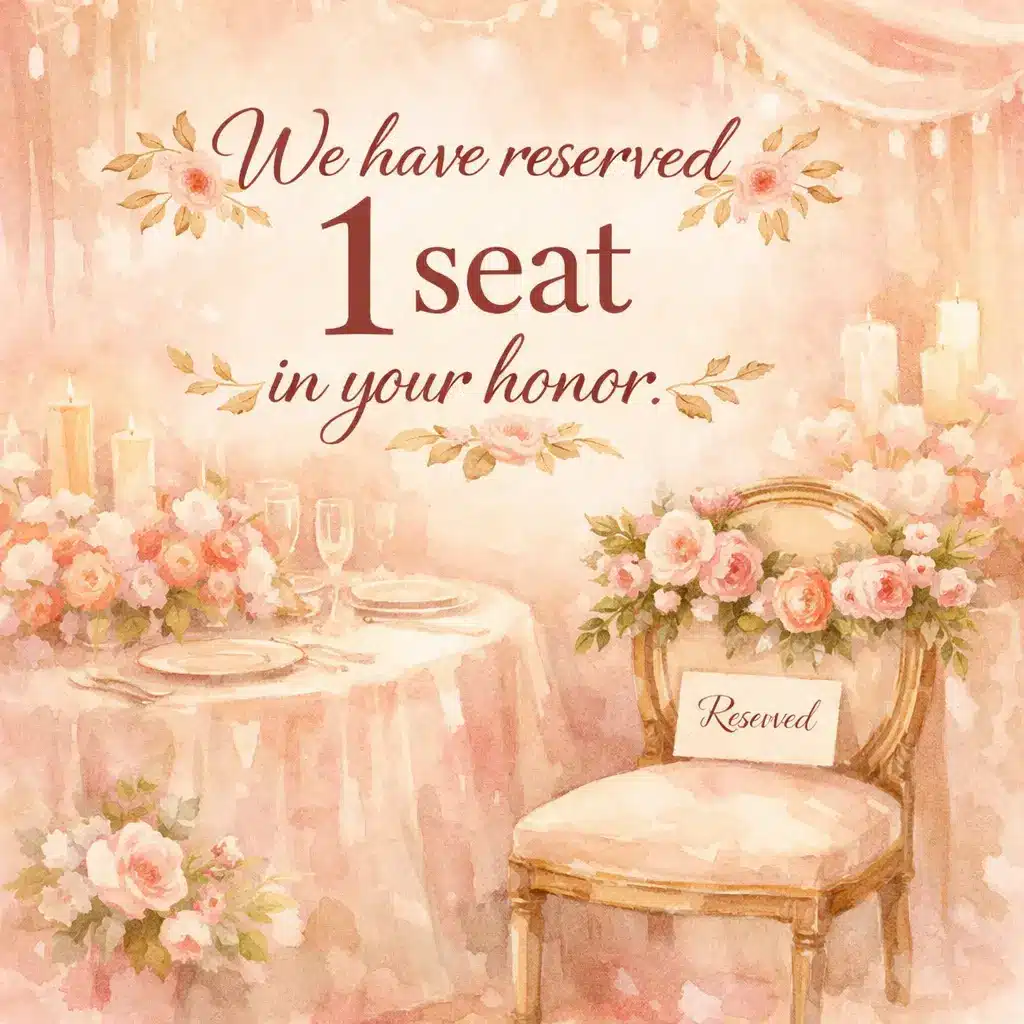
Another smart tactic is using RSVP cards. You can specify exactly how many seats are reserved. For example:
- We have reserved 1 seat in your honor.
- Kindly respond for the number of guests listed.
This removes any guesswork and reinforces your message without sounding harsh.
Formal Ways To Say No Plus Ones
Classic Formal Phrases
If you’re going for a traditional tone, your wording should reflect elegance and clarity. Here are a few examples:
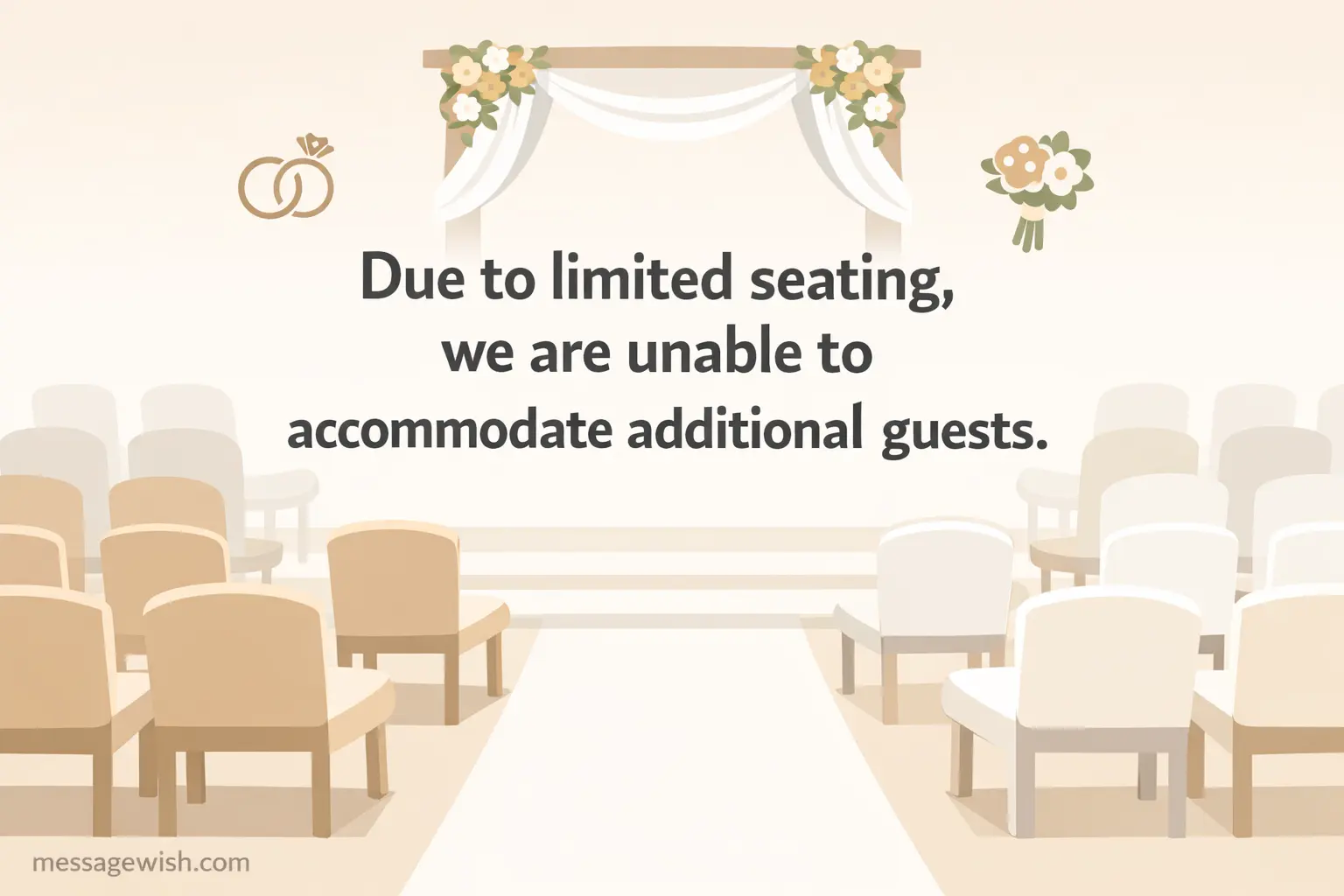
- Due to limited seating, we are unable to accommodate additional guests.
- We respectfully request that only the named guest attend.
These phrases maintain a formal tone while clearly setting boundaries.
Elegant Traditional Examples
Formal weddings often benefit from refined language. Think of it like writing a handwritten letter; graceful, respectful, and intentional.
You’re not saying “no” bluntly. You’re framing it in a way that feels thoughtful and considerate.
Casual and Friendly Wording Options
Warm and Conversational Tone
Not every wedding is black-tie. If your vibe is relaxed, your wording can be too.
Try something like:
- We’d love to celebrate with you! Due to space, we’re keeping our guest list intimate.
- We can’t wait to see you; just you!
This keeps things light while still getting the message across.
Lighthearted Approaches
Humor can work wonders; if it matches your personality.
- No plus-ones this time, but plenty of fun guaranteed!
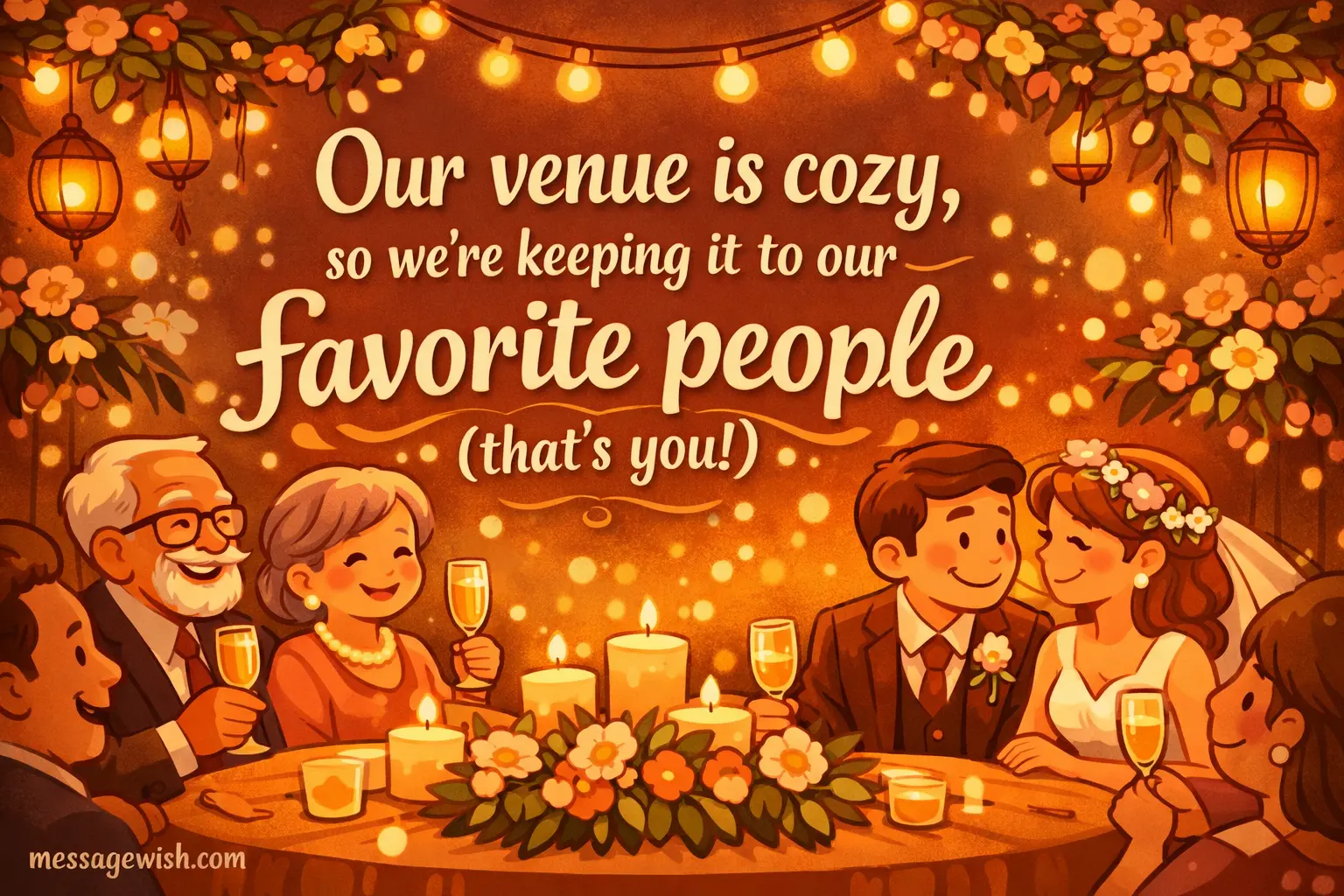
- Our venue is cozy, so we’re keeping it to our favorite people (that’s you!).
Short Wording To Say No Plus Ones
Minimalist Invitation Lines
Sometimes, less is more. Short wording can be incredibly effective:
- Invitation reserved for one.
- Kindly join us.
Simple. Clear. No confusion.
RSVP-Based Messages
Short RSVP notes can also do the job:
- Seats reserved: 1
- Number of guests attending: ___ (pre-filled)
Wedding Website Wording Ideas
FAQ Section Examples
Your wedding website is the perfect place to clarify details. A simple FAQ can prevent awkward conversations later.
Example:
Q: Can I bring a plus-one?
A: “Due to limited space, we’re only able to accommodate guests listed on the invitation.”
Gentle Explanations Online
This is where you can add a little warmth:
“We wish we could invite everyone, but we’ve chosen to keep our celebration intimate. Thank you for understanding.”
How To Handle Guests Who Ask for a Plus-One
What To Say in Conversation
No matter how clear your invitation is, someone will ask. When that happens, keep your response polite but firm.
You might say:
“We’d love to include everyone, but we’ve had to limit our guest list due to space.”
Short. Honest. Respectful.
Staying Consistent
Consistency is key. If you make exceptions, others may expect the same treatment. Stick to your decision; it keeps things fair for everyone.
Suggested: 33+ How to Compliment Blue Eyes the Right Way
Common Mistakes To Avoid
Being Too Vague
If your wording isn’t clear, guests may assume they can bring someone. Always be specific; without being harsh.
Sounding Apologetic or Defensive
You don’t need to apologize excessively. This is your wedding, your budget, your rules. Confidence comes across as respectful.
Sample Templates You Can Copy
Formal Templates
- Due to venue limitations, we kindly request that only the named guest attend.
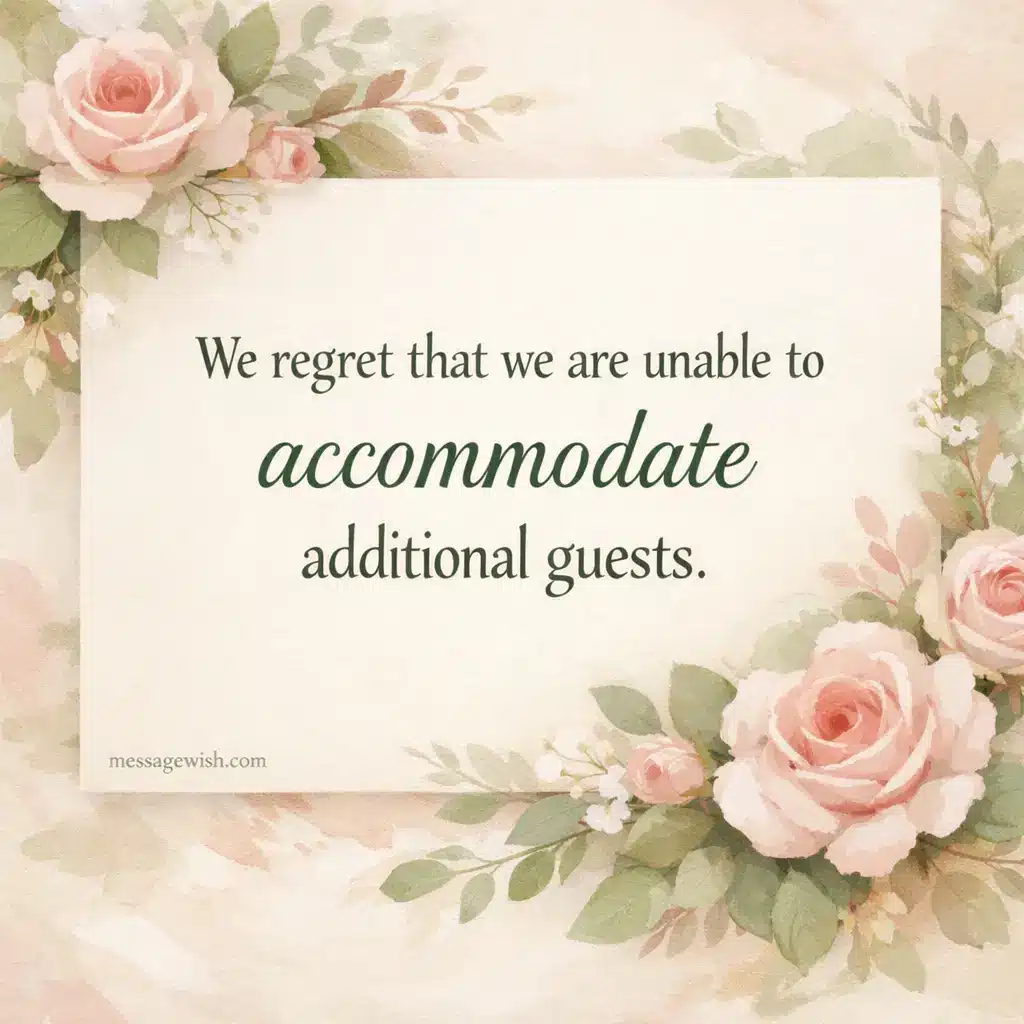
- We regret that we are unable to accommodate additional guests.
Casual Templates
- We’re keeping our celebration small and intimate; thank you for understanding!
- We can’t wait to celebrate with you; just you!
Final Thoughts
Saying no to plus-ones might feel uncomfortable, but it doesn’t have to be awkward. With the right wording, you can set clear expectations while still being warm and respectful.
At the end of the day, your wedding is about celebrating your love; not managing other people’s expectations. Be kind, be clear, and trust that the people who truly care about you will understand.
FAQs
1. Is it rude to not allow plus-ones at a wedding?
Not at all. It’s common, especially for smaller weddings or budget-conscious events.
2. How do guests know they don’t have a plus-one?
If their invitation only includes their name and doesn’t say “and Guest,” they don’t have a plus-one.
3. Should I explain why I’m not allowing plus-ones?
Only if necessary. A simple, polite statement is usually enough.
4. What if a guest insists on bringing someone?
Stay polite but firm. Reiterate your limitations without making exceptions.
5. Can I allow plus-ones for some guests but not others?
Yes, as long as you’re consistent and fair in your criteria.

Max David is a British content writer and creative strategist known for crafting messages, wishes, and celebration-themed articles. His writing blends clarity with emotion, helping readers connect, share, and celebrate life’s special moments. With a keen eye for storytelling and audience needs, Max brings a modern voice to every piece he creates.